






Clapham Common removals for narrow roads and park access
Posted on 20/06/2026
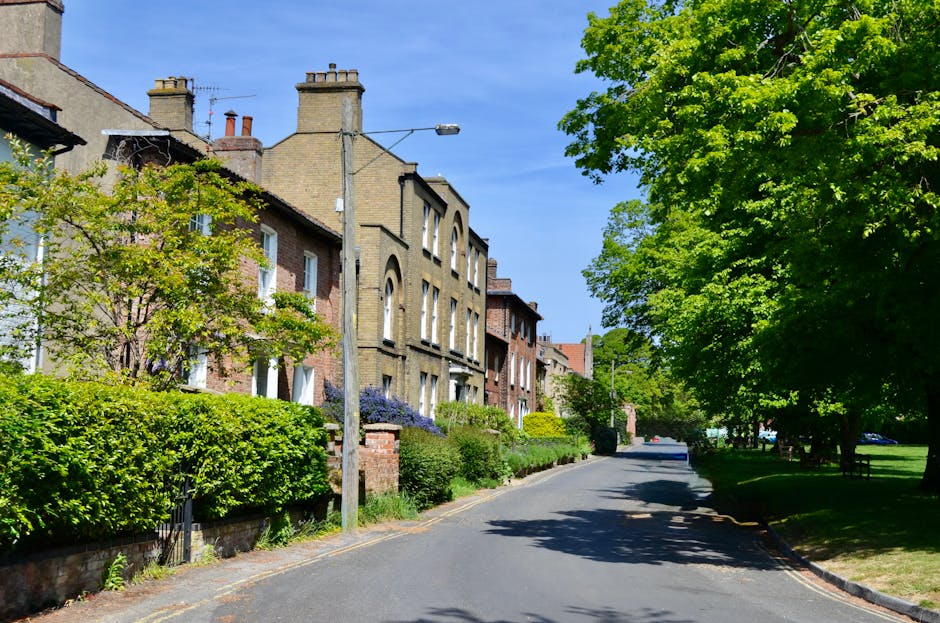
Moving near Clapham Common can be wonderfully convenient, but it can also be a bit of a squeeze. Between narrow residential roads, parked cars, shared driveways, busy school-run traffic, and the practical realities of getting a van close enough to the door, removals in this part of south London often need more than a standard "turn up and load" approach. That is exactly where Clapham Common removals for narrow roads and park access becomes a specialist job rather than a routine one.
If you are moving a flat off a tight terrace road, dealing with park-facing access, or trying to keep the move calm while other people are walking dogs and cycling past, a little planning makes a big difference. In this guide, we will walk through what matters, how the process works, the common mistakes to avoid, and the practical steps that make a move around Clapham Common far less stressful than it might first sound. Truth be told, most of the stress is avoidable if you think through access early.
For a broader view of local moving options, you may also find our pages on removals in Clapham, flat removals in Clapham, and man with a van Clapham useful as you compare approaches.
Why Clapham Common removals for narrow roads and park access Matters
Clapham Common sits in an area where property layouts are varied and access can be awkward in ways that only become obvious on moving day. A road may look fine on a map, but once a removal van arrives you realise there is limited turning space, parked vehicles on both sides, or a stretch of road where double-parking would be a terrible idea. Add park edges, path crossings, bollards, timed restrictions, and the general ebb and flow of local traffic, and the move needs to be handled with care.
Why does this matter so much? Because access problems do not just slow things down. They can create safety risks, increase labour time, delay neighbours, block traffic, and make otherwise straightforward furniture moves awkward. A sofa that would normally be carried a few metres might instead need a longer carry route. A wardrobe may need to be moved in sections. A piano, table top, or awkward hallway mirror can suddenly become a two-person decision rather than a quick lift.
Near the Common, there is also the human side of the move. People are out walking, the roads are lived-in and busy, and the local environment is not designed to pause just because you are moving house. A good removal plan respects that. It keeps disruption down, which matters to neighbours, landlords, building managers, and, frankly, to your own nerves too.
Practical takeaway: in Clapham Common moves, the van's position is only half the job. The route from van to front door, the amount of carrying, and how you manage parking all matter just as much.
How Clapham Common removals for narrow roads and park access Works
The process starts before the van arrives. A competent mover will look at access in layers: road width, parking availability, walking distance, any loading restrictions, building entry points, stair access, and whether anything about the property sits opposite or adjacent to the park. That early look is what separates a smooth move from a frustrating one.
In practice, the job often works like this:
- Pre-move access check. You share details about the property, floor level, parking options, and anything unusually large or fragile.
- Vehicle choice. A smaller removal van or a flexible man and van service may be more suitable than a larger vehicle when roads are tight.
- Parking and loading plan. The team works out the nearest safe stopping point, even if it is not right outside the door.
- Carry-route planning. Items are prioritised so the heaviest or most awkward pieces are not left until last, when everyone is tired.
- Protected loading. Furniture blankets, straps, trolleys, and floor protection help reduce damage during the longer carry.
- Careful exit and departure. Once loaded, the team clears promptly so the road and pavement are not blocked longer than necessary.
There is often a bit of improvisation involved, to be fair. That is normal in London removals. One morning the closest legal stop might be on the opposite side of the road; another day there may be a loading opportunity that appears suddenly because a neighbour has just left. A good team adapts without making the day feel chaotic.
If you have a lot of boxes, awkward furniture, or anything that needs dismantling and reassembly, packing and boxes support in Clapham and furniture removals in Clapham can make access issues much easier to handle.
Key Benefits and Practical Advantages
The biggest advantage of planning a move around narrow roads and park access properly is simple: fewer surprises. But that broad benefit breaks down into some very practical wins.
- Less physical strain. Shorter, smarter carry routes reduce the chance of injury and exhaustion.
- Lower risk of damage. Controlled movement is safer for furniture, walls, bannisters, and door frames.
- Better timing. Access planning keeps the move on schedule, which is especially useful if you are dealing with a key handover.
- Reduced neighbour friction. No one likes a driveway blocked for too long or a van parked where it should not be.
- More efficient loading. The team can stage items in a sensible order instead of wrestling with the first big piece they see.
- Better use of specialist equipment. When a trolley, shoulder straps, or protective covers are needed, they are ready in advance rather than fetched in a panic.
A quieter benefit is peace of mind. People underestimate this. If you know the team has already thought through access, your own stress drops. You are not standing at the window wondering whether the van can even get near the building. You know the plan.
This is especially helpful if you are moving from or into a flat, where access may be through shared hallways, gated entries, basement steps, or compact staircases. In those situations, house removals in Clapham and flat removals in Clapham are worth comparing carefully, because the right service shape matters.
Who This Is For and When It Makes Sense
This approach makes sense for anyone moving near Clapham Common where access is not easy or obvious. That includes a lot of real-life situations, not just edge cases.
- People moving from upper-floor flats with narrow stairs
- Families leaving terraced homes with restricted street parking
- Students moving in or out of shared accommodation
- Professionals relocating on a fixed date with limited time on site
- Anyone moving bulky furniture from a property facing the park or a busy side road
- Homeowners who need a careful plan because of fragile or valuable items
It is also a good fit if you have a tight moving window. Maybe the cleaners are booked, maybe the landlord wants the keys back by lunch, or maybe the building manager is only available for a short access slot. In that situation, a well-organised local mover can feel less like a luxury and more like the sensible choice.
If you are comparing local providers, you may want to review removal services in Clapham alongside removal companies in Clapham and the broader services overview so you can see what fits your job size and access conditions.
Step-by-Step Guidance
If you want to make a narrow-road move feel manageable, break it into stages. Simple on paper, yes. But it works.
1. Survey the access before you book
Stand outside the property at roughly the time of day the move will happen. Look at traffic patterns, parked cars, where a van could reasonably stop, and whether there is space for doors to open safely. A five-minute look can prevent a nasty surprise later. If you can, take a few photos of the frontage, the street, and the entry route.
2. Measure the awkward bits
Check the width of hallways, stair turns, lift dimensions, and any doorways that might cause problems. The van can wait; a sofa that will not turn a corner cannot. This is especially useful for wardrobes, mattresses, and dining tables, which always seem bigger on moving day. Funny that.
3. Build your packing around access
Pack the easiest-to-carry boxes last and label them clearly. Heavier boxes should not be piled into a way that forces long, awkward carries. If a load will need to be split into smaller groups because of distance from van to door, use more smaller boxes rather than fewer heavy ones.
4. Confirm parking and loading options
If your building or road needs a specific arrangement, tell the removal team early. Do not assume they will "just see when they get there." That is how delays happen. In busy areas around the Common, parking certainty is gold dust.
5. Protect the route
Lay down covers where needed, keep stairwells clear, and move pet bowls, bike racks, and plant pots out of the way. It sounds minor, but tiny obstacles become trip hazards when everyone is carrying something large.
6. Load in a sensible order
Heavy and awkward items should usually go first, followed by boxed items, then lighter and more fragile pieces. Good sequencing reduces backtracking and lets the team work steadily instead of awkwardly zig-zagging between the van and the property.
7. Do a last-minute access check before departure
Once the van is loaded, look back at the route to make sure nothing has been left behind. Keys, charging cables, shelf brackets, the random bag in the airing cupboard, all the usual suspects.
Expert Tips for Better Results
Here is where small details really pay off. These are the things experienced movers tend to pay attention to, and the things first-time movers sometimes overlook.
- Choose the right vehicle size. Bigger is not always better on narrow roads. A more manageable van can save time if it avoids repeated shuffling.
- Be realistic about carrying distance. If the van cannot stop close, factor in extra labour and time. Better to plan for it than pretend it is not there.
- Use time windows wisely. Early mornings can sometimes be calmer around Clapham Common. Not always, but often enough to be worth considering.
- Keep essentials separate. Important documents, chargers, medication, and kettle supplies should travel with you rather than in the main load.
- Tell the truth about your inventory. If you mention "a few boxes" and it is actually twenty-five plus a heavy bookcase, the plan changes. Better to be candid up front.
- Think about wet weather. London weather being London weather, a damp pavement or drizzle can turn an easy carry into a careful one. Blankets and covers matter more than people think.
One more thing: if the move includes a valuable item or something unusually awkward, it may be worth looking at piano removals in Clapham or, for urgent timings, same day removals in Clapham. Special cases deserve special planning, no drama.
Common Mistakes to Avoid
The most common problems in Clapham Common moves are rarely dramatic. They are the everyday oversights that snowball.
- Assuming parking will sort itself out. It usually does not.
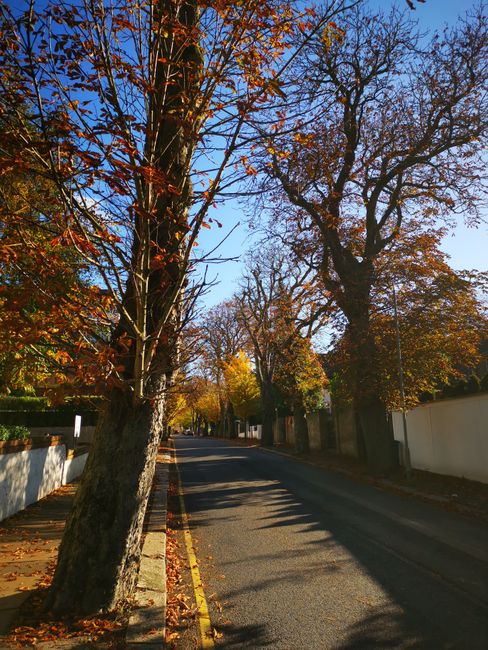
- Not checking road width properly. A van may be legal to drive down a road but not practical to load there.
- Ignoring the carry distance. A few extra metres becomes a lot when repeated fifty times.
- Overpacking boxes. Heavy boxes slow the move down and raise the risk of damage or injury.
- Leaving access details until the day of the move. That is when solutions become limited and costly.
- Forgetting building rules. Some developments or managed properties have time slots, entry codes, or quiet-hour expectations.
There is also a psychological mistake: assuming that because the move is local, it will automatically be easy. Local helps, yes, but local can still be tricky. In fact, small local moves often get underestimated because people think, "It's only around the corner." And then the van cannot stop where expected. You know how it goes.
Tools, Resources and Recommendations
You do not need a full toolkit to manage a move near Clapham Common, but a few practical tools make life much easier.
| Tool or resource | Why it helps | Best used for |
|---|---|---|
| Floor plan or room measurements | Helps estimate whether large furniture will fit through each route | Flats, terraces, awkward staircases |
| Phone photos of the frontage and access route | Lets movers judge van positioning and carry distance in advance | Any property with uncertain parking |
| Labelling system for boxes | Speeds unloading and keeps room-based drops organised | Moves with many boxes or multiple floors |
| Protective covers and blankets | Reduces scuffs on furniture and walls | Fragile or valuable items, narrow hallways |
| Trolley or sack truck | Useful where the path is level and reasonably clear | Longer carry routes and heavier items |
On the service side, some people only need a simple van and lifting help. Others need storage for a gap between move-out and move-in, especially if access restrictions mean the job has to be split across two days. If that sounds familiar, storage in Clapham can be worth considering. And if you are still working through what to pack, the packing and boxes Clapham page can help you think through materials and preparation.
Law, Compliance, Standards, or Best Practice
For this kind of move, the most important compliance point is usually practical rather than theoretical: you need to load and unload safely, legally, and with respect for public space, pavements, and other road users. In London, local restrictions can change from street to street, so it is always sensible to plan around the actual access available rather than making assumptions.
Best practice usually includes the following:
- Not blocking traffic or crossings longer than necessary
- Avoiding unsafe stopping on double yellow lines unless a lawful exemption clearly applies and it is genuinely appropriate
- Keeping walkways clear where possible
- Using safe lifting technique and suitable equipment
- Respecting building rules, neighbour access, and quiet hours where applicable
- Keeping insurance and liability considerations in mind for fragile or high-value items
If a mover talks about safety, insurance, or working methods, that is a good sign. Pages such as insurance and safety, health and safety policy, and terms and conditions are worth reviewing if you want a clearer picture of how a provider approaches risk and responsibility.
And if you have any concerns about how a company handles service issues, a published complaints procedure is a reassuring thing to have in place. Not glamorous, but reassuring.
Options, Methods, or Comparison Table
There is no single "best" removal method for every Clapham Common access challenge. The right choice depends on how tight the road is, how far the van can stop from the door, and how much furniture you are moving.
| Method | Best for | Pros | Watch-outs |
|---|---|---|---|
| Small van with labour support | Narrow roads and short, efficient loads | Flexible parking, easier manoeuvring, good for tight streets | May need more trips for bigger moves |
| Standard removals van | Moderate access and larger household moves | More capacity, fewer journeys | Can struggle on very tight roads or limited turning space |
| Full removal team | Big moves, multiple rooms, stairs, heavy furniture | Faster loading, more hands, better for coordination | Cost may be higher if the job is small |
| Split move with storage | Delayed handovers or restricted access at one end | Reduces pressure on the moving day itself | Requires more planning and an extra phase |
For many local moves, a compact, well-organised van job is enough. For others, especially when the property is on a tight road and the furniture is bulky, the more complete house removals option is the calmer route. The key is matching the method to the access problem, not just to the volume of boxes.
Case Study or Real-World Example
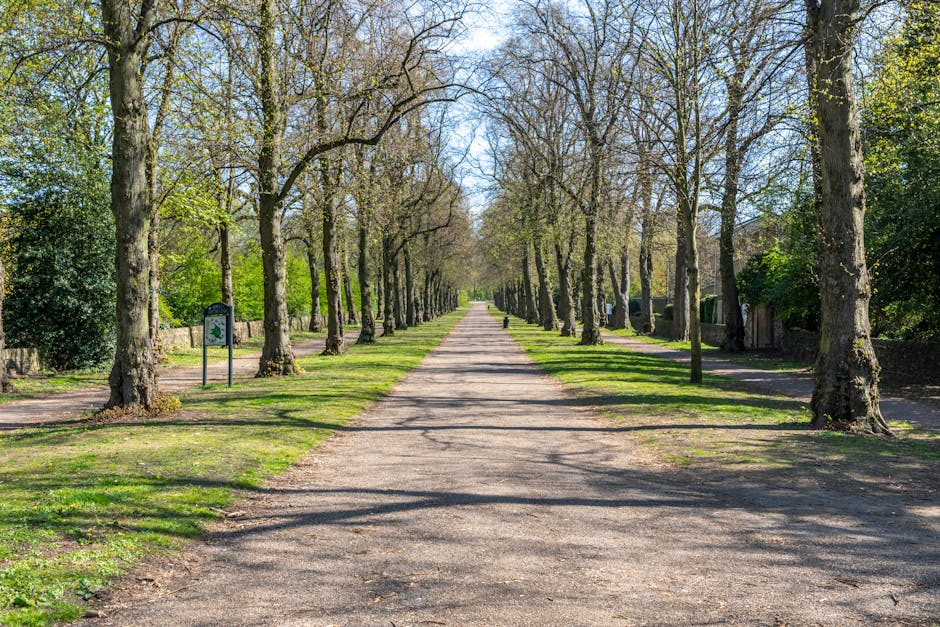
A typical Clapham Common move might look like this. A couple are leaving a first-floor flat on a side street just off the Common. The road is narrow, residents park heavily, and the nearest obvious stopping point is not directly outside the building. They have a sofa, a bed frame, a dining table, a few plants, and around twenty boxes.
At first glance, they assume the move will be simple because the new place is only a short drive away. But the access changes things. The removal team checks the route in advance and realises a larger van would be awkward to position safely. A smaller van is chosen instead, with the load planned carefully so the bulkiest items go first. The couple is asked to clear the hallway, reserve a small stack space inside the flat, and keep a box of essentials separate. They also get advice on dismantling the bed frame before moving day.
On the day, the van stops a little further away than they hoped, but the carry route is clean and the team is ready for it. The move takes longer than a straight suburban driveway job, naturally, but it stays organised. No one is rushing. No one is trying to squeeze past a double-parked vehicle with a mirror under one arm and a mattress under the other, which is always a good sign.
The result is not dramatic. That is the point. It works because the access problem was respected from the start.
Practical Checklist
Use this before moving day if you are dealing with narrow roads or park access near Clapham Common.
- Confirm the exact moving address and floor level
- Check whether parking is available near the property
- Take photos of the street, entrance, and staircase
- Measure large furniture and key doorways
- Decide whether items need dismantling
- Label boxes by room and priority
- Keep essentials in a separate bag
- Tell the removal team about any access codes or restrictions
- Clear hallways, landings, and shared spaces
- Plan for wet weather and protect floors where needed
- Arrange storage if your move has a gap between addresses
- Double-check keys, documents, and final meter readings
Expert summary: the easiest Clapham Common move is not the one with the least stuff. It is the one with the best access plan. Once that is sorted, everything else tends to fall into place more calmly.
Conclusion
Clapham Common removals for narrow roads and park access are all about preparation, realism, and the right vehicle for the job. When roads are tight and parking is limited, the move needs more than muscle. It needs a plan that accounts for carry distance, safety, timing, neighbour consideration, and the quirks of London access that you only really notice when you are carrying a sofa.
The good news is that these challenges are manageable. With early planning, accurate access details, sensible packing, and a removal team that understands local conditions, a move near the Common can be handled smoothly and with far less fuss than people expect. Not effortless, perhaps. But definitely manageable. And that matters.
If you are preparing a move and want support tailored to tight roads, park-facing properties, or awkward access, take a look at the service pages linked above and compare what fits your situation best.
Get a free quote today and see how much you can save.

